
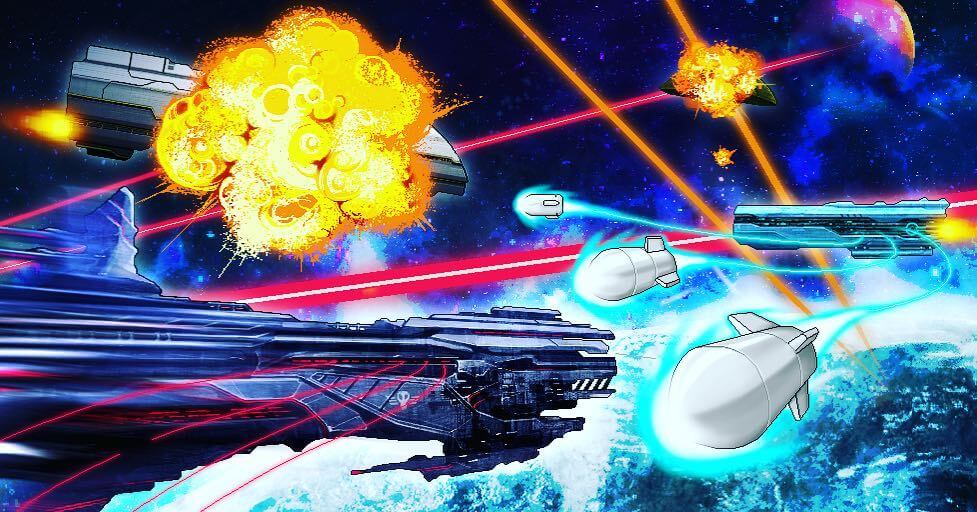
Free to Play Space Games Rarely Feel This Fair, and Pixel Starships Shows Why
Anyone who has spent time with free to play space games knows the sinking feeling of hitting a wall you can only climb with your wallet. You are enjoying yourself, then suddenly progress grinds to a halt unless you pay. That moment sours the whole experience, and it is why so many players approach free games with their guard up.
But fairness is possible, and when a free game gets it right, it changes everything. This piece is about what real fairness looks like from the inside, so you can tell a genuinely generous game from one designed to squeeze you. Let us dig into what actually matters.
Fairness Means Skill Beats Spending
The first mark of a fair game is simple. Your success should come from smart decisions, not the size of your payment. When skill decides who wins, the playing field stays level and every victory feels earned rather than bought.
The best free to play space games are built so that a thoughtful player can compete without spending heavily. Money might buy convenience or cosmetics, but it should never be the only path to winning. That distinction is the line between fair and exploitative.
This balance takes constant care. When developers ship a tuning update like a V0.999.4 patch that lowers progression requirements and improves matchmaking, they are actively protecting fairness. A game that keeps adjusting to keep things even is one that respects the people playing it.
Progress You Can Actually Reach
Nothing feels worse than progress locked behind an impossible grind or a paywall. Fair free to play space games let you move forward at a reasonable pace through normal play. You should always feel like the next goal is within reach.
That does not mean everything comes instantly. It means the path is real. You can see it, work toward it, and get there through effort. That sense of steady, achievable progress is what keeps you motivated instead of frustrated.
Smart developers ease the grind over time. When an update like a V0.999.14 cuts down repair, construction, and research times, it shows a team that wants players to enjoy the game rather than wait on it. Respecting your time like that is a core part of true fairness.
Paying Should Add, Not Unlock
Here is a useful test. In a fair game, paying enhances your experience. In an unfair one, paying is the only way to have an experience at all. That difference tells you everything about a developer’s intentions.
The best free to play space games offer purchases that feel optional and generous. Extra conveniences, cosmetic flair, or small boosts are fine, as long as a free player can still enjoy the full game. Spending should feel like a choice, never a toll gate.
You can see this philosophy in thoughtful reward systems. When a patch like a V0.999.15 adds subscription perks that are quality-of-life extras rather than power gates, it keeps spending in the healthy zone. That approach respects both paying and non-paying players alike.
Fairness Includes Everyone’s Contribution
Real fairness is not just about individual progress. It is about how a community shares in the game. The best free to play space games reward cooperation, letting players pool effort and benefit together regardless of who spends what.
When a game builds systems around shared goals, it levels the field even further. A player who cannot spend much can still contribute meaningfully to a team, earning a place through effort and coordination rather than cash. That inclusiveness keeps the community healthy.
Fleet-focused content is a great example. When an update like a V0.998 expands shared resources that all members can collect and use, it rewards teamwork over wallets. Systems that let everyone pitch in are a strong sign a game values fairness across its whole community.
Transparency Builds Trust
A fair game is an honest one. When developers clearly explain their systems, odds, and changes, players can make informed decisions. Hidden mechanics and murky odds are red flags, because they usually exist to nudge you toward spending without realizing it.
The best free to play space games communicate openly. They publish their changes, explain their reasoning, and listen to feedback. That transparency lets you trust that the game is not quietly working against you, which is essential for long-term enjoyment.
This openness also shows respect. A developer who treats players as partners rather than targets earns loyalty that lasts for years. When you can see how a game works and why it changes, you can relax and simply enjoy playing.
Why Fairness Keeps Players Longer
Exploitative games might make quick money, but they burn out their players fast. Fair games play the long game. When people feel respected, they stick around, invest their time happily, and often spend willingly because they want to support something they love.
This is the quiet secret behind lasting free to play space games. Fairness is not just ethical. It is smart. A game that treats players well builds a loyal community that keeps it alive far longer than any aggressive monetization ever could.
That loyalty compounds over time. Happy players invite friends, defend the game, and stay through updates and changes. A fair foundation is what turns a free download into a community that endures for years.
How To Spot A Fair Game Early
So how do you tell before you get invested? Watch your first sessions closely. Ask whether you can progress through normal play, whether purchases feel optional, and whether skill seems to matter more than spending. Those early signals reveal a lot.
Check how the developers communicate. Regular updates, clear patch notes, and responsiveness to feedback all point to a team that respects its players. A quiet, opaque game is far more likely to hide unfair mechanics.
Above all, trust how you feel after a week of play. If you feel respected rather than squeezed, you have found something rare. That feeling of being treated fairly is the clearest sign of free to play space games worth your time.
Frequently Asked Questions (FAQs)
1. How Can I Tell If A Free Game Is Pay-To-Win?
Watch for hard walls early on. If progress stalls unless you pay, that is a red flag. In fair games, spending offers convenience or cosmetics, while skill and effort still decide who succeeds.
2. Is It Wrong For Free Games To Sell Things?
Not at all. Developers need to earn a living. The key is whether purchases add to the experience or gate it. Optional, generous purchases are healthy. Paywalls that block core play are not.
3. Can I Really Compete Without Spending Money?
In a fair game, yes. Well-designed titles let thoughtful free players keep up through smart decisions and effort. If you cannot compete at all without paying, the game is not treating you fairly.
4. Why Does Transparency Matter So Much?
Clear communication lets you make informed choices. Hidden odds and murky systems often exist to push spending. Developers who explain their changes openly are far more likely to be treating players fairly.
5. What Keeps A Fair Game Alive Longer?
Respect builds loyalty. When players feel valued rather than exploited, they stay, invite others, and support the game willingly. That is why fair free to play space games tend to outlast aggressive ones.