
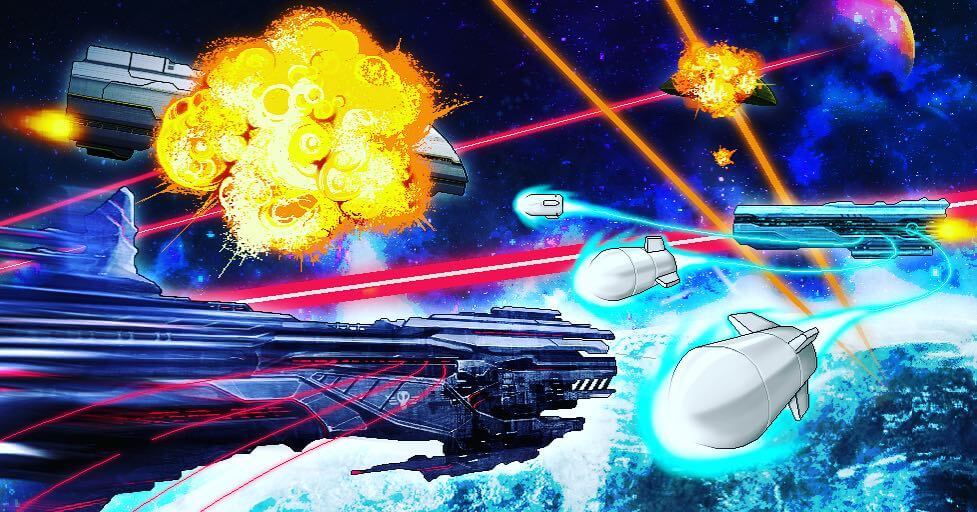
How Space Strategy Games Make Every Tiny Star Feel Like a Massive Opportunity
Have you ever stared at a single dot on a map and felt your whole plan hinge on it? That is the strange magic of space strategy games, where the smallest star can suddenly feel like the most important thing in the galaxy. It is a feeling other games rarely pull off, and it keeps players hooked for reasons they cannot always explain.
The trick is not the size of the map. It is how the game makes each little piece matter. When one tiny decision can ripple across everything you have built, even a modest star field turns into a playground of possibility. Let us unpack how that actually works.
Small Pieces, Big Weight
The genius of space strategy games is that they load meaning onto tiny things. A single star is not just a dot. It is a resource, a foothold, a risk, or a trap. The moment you learn to see it that way, the whole map comes alive.
This happens because everything is connected. Grab one star and you might unlock a new route. Ignore it and a rival snaps it up. Suddenly that small choice carries real weight, and you feel the pressure of getting it right.
That web of connections is what turns a simple screen into a place where every move counts. In the best space strategy games, nothing is filler. Each spot on the map is a question waiting for your answer, and answering well feels genuinely satisfying.
Scarcity Makes Everything Matter
Here is a quiet truth about these games. Limits are what make choices interesting. If you could grab everything, nothing would feel special. Because you cannot, every star becomes a decision worth agonizing over.
Space strategy games lean hard into scarcity. Limited resources, limited time, limited room to expand. Those constraints force you to prioritize, and prioritizing is where the real thinking happens. You have to ask what you actually need versus what just looks shiny.
Developers keep this tension fresh with new systems to weigh. When an update rolls out changes like those in a Community Update 8, it can reshape what a good decision looks like overnight. Suddenly a choice you took for granted needs rethinking, and that keeps the scarcity feeling alive instead of solved.
The Ripple Effect Of A Single Choice
One of the most addictive things about space strategy games is how far a single decision travels. You make one move now, and its effects show up ten turns later in ways you did not fully predict. That delayed payoff is thrilling.
It also means you are always thinking ahead. You cannot just react. You have to imagine how this tiny star fits into a plan that unfolds over hours. That mental stretch, holding a big picture together in your head, is exactly what makes these games feel so rich.
New tools deepen this. A patch like V0.999.6, which brought in player-designed content, adds fresh options that change how your choices ripple outward. More options mean more ways for a small decision to grow into something huge, which is the whole appeal.
Ownership Turns Dots Into Territory
There is a big difference between a star on a map and your star on a map. The second you claim something, it stops being a dot and becomes a place you care about. That sense of ownership is what space strategy games do so well.
Once a star is yours, defending it, growing it, and using it become personal. You are not moving abstract pieces anymore. You are protecting what you built. That emotional investment is what keeps you leaning into the screen instead of drifting off.
The deeper the customization, the stronger this feeling gets. When a game adds fresh building blocks, like the new Level 13 Rooms and defensive tools, your territory starts to feel truly yours. Every layout choice is a little signature, and that ownership makes each tiny star feel like a genuine stake in the galaxy.
Thinking Ahead Is The Whole Game
If action games reward fast reflexes, space strategy games reward foresight. The fun is in seeing three moves ahead, spotting the opportunity before your rival does, and setting a trap that only pays off much later.
That forward thinking is a skill, and these games train it without you noticing. You start to weigh short-term gains against long-term positioning. You learn to read a map not for what it is now, but for what it could become. That habit is genuinely useful far beyond the screen.
Previews of upcoming systems feed this planning instinct. When developers tease a v0.999 Feature update packed with new mechanics, players immediately start plotting how to use it. That anticipation, planning for a galaxy that is about to change, is a huge part of why space strategy games hold attention for so long.
Why Every Session Feels Fresh
A map that plays the same way every time gets stale fast. What keeps space strategy games interesting is that the same starting point can lead to wildly different games. Your choices, your rivals, and a bit of unpredictability keep every run distinct.
This variety means you are never just repeating a solved puzzle. Even a familiar galaxy invites new approaches, new gambles, and new ways to value that one small star you keep coming back to. The possibilities stay open, and open possibilities are what keep curiosity burning.
The depth of choice does the heavy lifting here. With so many valid paths, you could play the same map a dozen times and never run it identically. That freedom is exactly what turns a finite set of stars into what feels like an endless field of opportunity.
Making The Most Of Every Star
So how do you actually get better at this? Start by slowing down. The instinct is to grab everything fast, but the strongest players pause and ask what each star is really worth to their bigger plan. Value, not greed, wins these games.
Think in terms of connections, not single grabs. One star matters most for what it links to, what it protects, and what it denies your rival. Once you see the map as a web instead of a list, your decisions get sharper and your plans get deeper.
And give yourself room to experiment. Some of the best lessons come from a bold gamble on a star that looked worthless. That willingness to test ideas is exactly what space strategy games reward, and it is how a tiny star turns into your next massive opportunity.
Frequently Asked Questions (FAQs)
1. Why Does One Small Decision Feel So Important In These Games?
Because everything is connected. A single star can unlock routes, deny rivals, or protect what you own. That web of consequences gives even a tiny choice real weight and lasting impact.
2. Are These Games Too Slow For People Who Like Action?
They are slower, but not boring. The excitement comes from planning and watching your decisions pay off later. If you enjoy outthinking an opponent, the pace becomes part of the thrill.
3. How Do I Get Better At Long-Term Planning?
Practice thinking a few moves ahead and value each position for what it connects to, not just what it is now. Reviewing why past plans worked or failed sharpens this instinct over time.
4. Why Do Limits Make The Games More Fun?
Scarcity forces meaningful choices. When you cannot have everything, deciding what to prioritize becomes the core challenge, and that tension is exactly what makes each decision satisfying.
5. What Keeps These Games Fresh After Many Sessions?
Deep choice and unpredictability. The same map can play out countless ways, so space strategy games rarely feel repetitive and always leave room for a smarter new approach.