
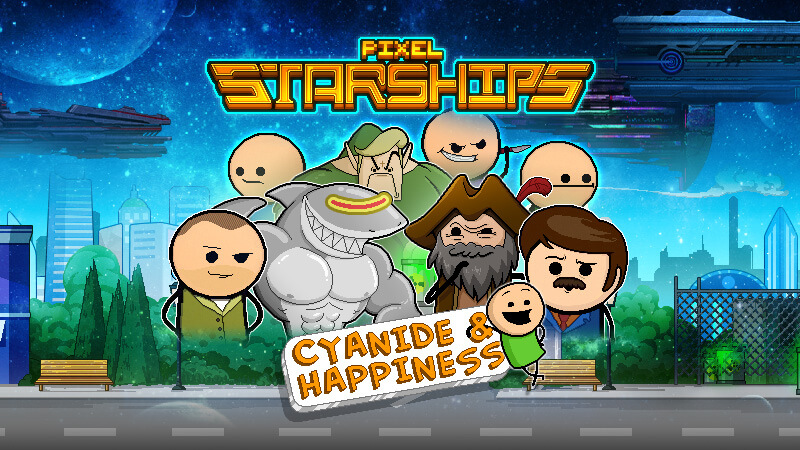
Pixel Starships Offers Deeper Strategy Than Any of the Space Strategy Games We’ve Played This Year
Plenty of titles claim to be deep, so it is fair to wonder what real depth even means when it comes to space strategy games. You have probably downloaded something that looked rich on the surface, only to find the same handful of moves repeated forever. That gap between promise and reality is the frustration this piece is about.
Depth is not about cramming in menus or piling on numbers. It is about how many meaningful decisions a game gives you, and how much those decisions interact. Let us break down what genuine strategic depth looks like, so you can recognize it before you sink hours into something hollow.
Depth Is About Interacting Choices
The heart of any deep game is not the number of options. It is how those options connect. A shallow game gives you choices that never touch each other. A deep one makes every decision ripple into the next, so no single move exists in isolation.
The best space strategy games are built like tangled webs. Your ship layout affects your crew placement, which affects your power flow, which affects how a battle unfolds. Pull one thread and the whole thing shifts. That interconnection is where real thinking lives.
This is why fine-tuning matters so much. When a studio ships a balance-focused update like a V0.999.18 patch, it is adjusting how all those threads pull on each other. Keeping that web tight and meaningful is what separates lasting depth from a system that gets solved and abandoned.
When Every Piece Has A Purpose
In a truly deep game, nothing is filler. Every room, every crew member, every module exists for a reason and has trade-offs worth weighing. The moment you realize a piece you ignored actually has a clever use, the game opens up.
That sense of hidden potential is what keeps space strategy games interesting long after the basics are learned. You keep discovering that tools you dismissed have situations where they shine. The depth was there all along. You just had not found it yet.
Regular content keeps this discovery alive. An update like a V0.999.22 patch that adds a huge batch of new designs gives you fresh pieces to fit into your plans. More meaningful parts mean more combinations to explore, and more combinations mean the depth keeps growing instead of running dry.
The Test Of Repeated Play
Here is a simple way to measure real depth. Play the same scenario several times and ask whether you approach it differently each round. In a shallow game, you quickly find the one best move and repeat it. In a deep one, there are always new angles worth trying.
The strongest space strategy games reward this experimentation. They are built so that no single approach dominates, which means you keep tinkering, testing, and refining. That endless room to improve is the clearest sign that a game has real substance underneath.
Balance work protects this openness. When developers respond to feedback with a tuning pass like a V0.999.25 update, they stop any one tactic from becoming the obvious answer. Keeping multiple strategies viable is exactly what keeps repeated play rewarding rather than repetitive.
Depth You Can Grow Into
A great deep game does not overwhelm you on day one. It lets you start simple, then gradually reveals its layers as you get comfortable. That gentle ramp is what makes depth feel exciting rather than intimidating.
This is a hard balance to strike. Too shallow and players get bored. Too complex and they bounce off. The best space strategy games ease you in with basics, then open up more systems as your confidence grows, so you are always learning without ever feeling lost.
Quality-of-life improvements help this a lot. When a patch like a V0.999.28 smooths out rough edges and fixes friction points, it makes the deeper systems easier to reach. Good design lowers the barrier to complexity, so the depth invites you in rather than shutting you out.
Real Depth Means Real Consequences
Depth without stakes is just busywork. What makes a strategic decision matter is knowing it could go wrong. When your choices carry real consequences, thinking hard about them actually means something.
In the deepest space strategy games, a poor decision costs you, and a clever one pays off. That weight is what turns planning from a chore into a genuine challenge. You are not just arranging pieces. You are betting on a plan and living with the outcome, which is far more engaging.
This is also why a thinking opponent matters. Facing a real person who can punish your mistakes gives every decision teeth. You cannot rely on a predictable script, so you have to actually reason through what your rival might do and prepare for it.
Depth Keeps A Game Alive For Years
Shallow games burn bright and fade fast. Deep ones last, because there is always more to learn. When a game has genuine strategic depth, players stick around for years, still finding new ideas long after they thought they knew everything.
That longevity is not an accident. It comes from systems rich enough to keep generating fresh situations, plus a steady stream of new content that adds to the mix. Together they mean the well of interesting decisions never really runs dry.
A supported game with an active community and regular updates is a strong sign of this kind of staying power. When the developers keep adding depth and the players keep exploring it, space strategy games can hold attention far longer than their flashier, shallower cousins.
How To Spot The Real Thing
So how do you find genuine depth before committing? Watch your early sessions closely. Ask whether your choices interact, whether pieces you ignored turn out to matter, and whether repeating a scenario invites new approaches rather than the same old move.
Look for signs of care in the design. Regular balance updates, thoughtful fixes, and a community that debates strategy all point to a game with real substance underneath. A quiet, static game rarely has hidden depths waiting to be found.
Most of all, trust the feeling of still having questions after a week. If you are still wondering about better combinations and smarter plans, you have found the real thing. That lingering curiosity is the truest mark of the deepest space strategy games.
Frequently Asked Questions (FAQs)
1. What Actually Makes A Game Strategically Deep?
Interacting choices. Depth comes from decisions that affect each other, so every move ripples into the next. A game with many options that never connect is wide, not deep.
2. How Can I Tell If A Game Will Stay Interesting?
Replay a scenario a few times. If you keep finding new approaches instead of repeating one best move, the game has real depth and will likely hold your interest for a long time.
3. Does Complexity Always Mean Depth?
No. A game can be complicated yet shallow if the complexity does not lead to meaningful choices. True depth is about how much your decisions matter, not how many buttons there are.
4. Why Do Balance Updates Matter So Much?
They keep multiple strategies viable. Without regular tuning, one tactic can dominate and flatten the whole experience. Ongoing balance work preserves the variety that makes deep games rewarding.
5. How Long Before I Know A Game Has Real Depth?
Usually about a week. If you are still curious about better combinations and smarter plans after that, you have likely found one of the space strategy games with genuine lasting depth.